How I Test A Godot Game I Built Alone With A Headless Smoke Suite
I have no QA team, so I built a headless smoke suite in Godot that instances every scene, round trips saves, sweeps 300 battle seeds, and enumerates the slot odds.
Insights on solo development, AI tools, and building digital products as an independent developer.
I have no QA team, so I built a headless smoke suite in Godot that instances every scene, round trips saves, sweeps 300 battle seeds, and enumerates the slot odds.
All of World 11's balance lives in data files. Tuning the difficulty means editing JSON and rerunning, never touching the simulation. Here is why that split matters.
A practical guide to exporting a Godot 4 game to HTML5 and WebAssembly, hosting it on Cloudflare R2, embedding it in a page, and the COOP and COEP thread gotcha.
Facts are not copyrightable. Here is the practical line a solo developer can walk to ship a game using real names, positions, and years, with freely licensed faces.
Orchard Deck has six interlocking systems where every output feeds another input. Here is how I designed slots, orchard, museum, lab, breeding, and campaign to feel deep.
A pure deterministic seeded simulation with no node dependencies turned a roguelike into something testable, with daily challenges and shareable links and no backend.
Orchard Deck is built around a slot machine, but there are no purchases and one in-game currency. Here is how I designed the odds to reward players without exploiting them.
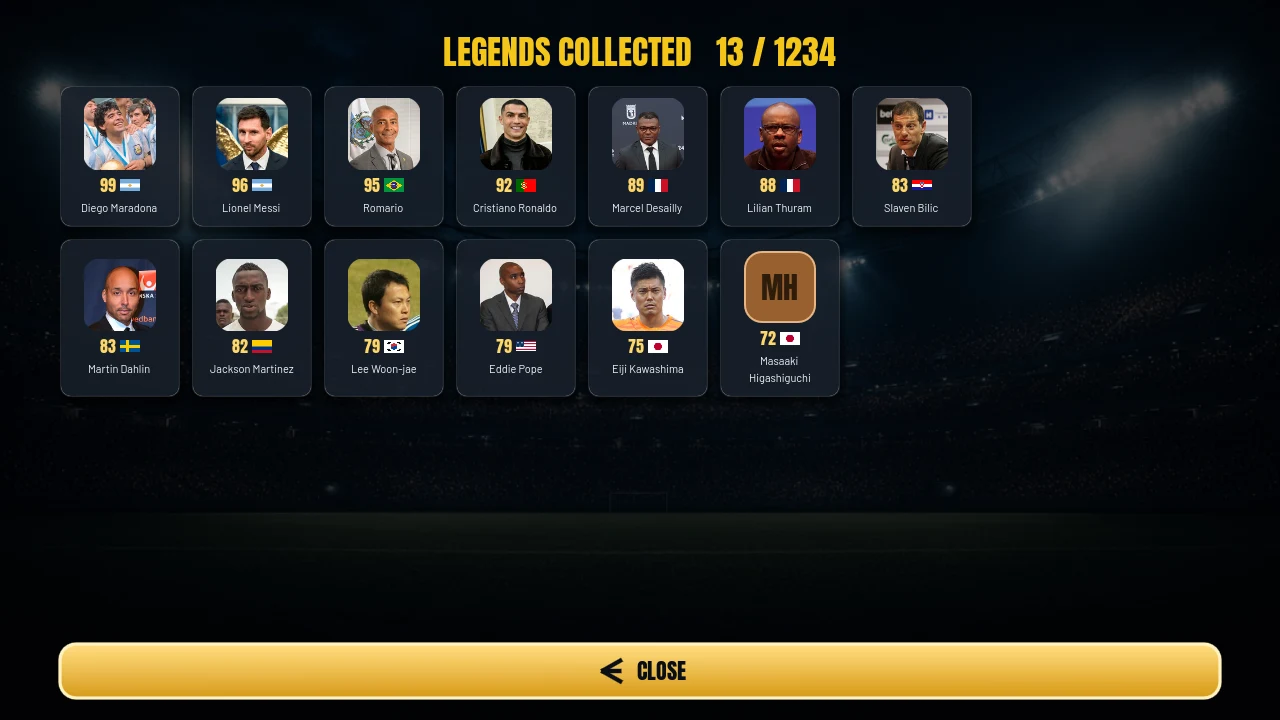
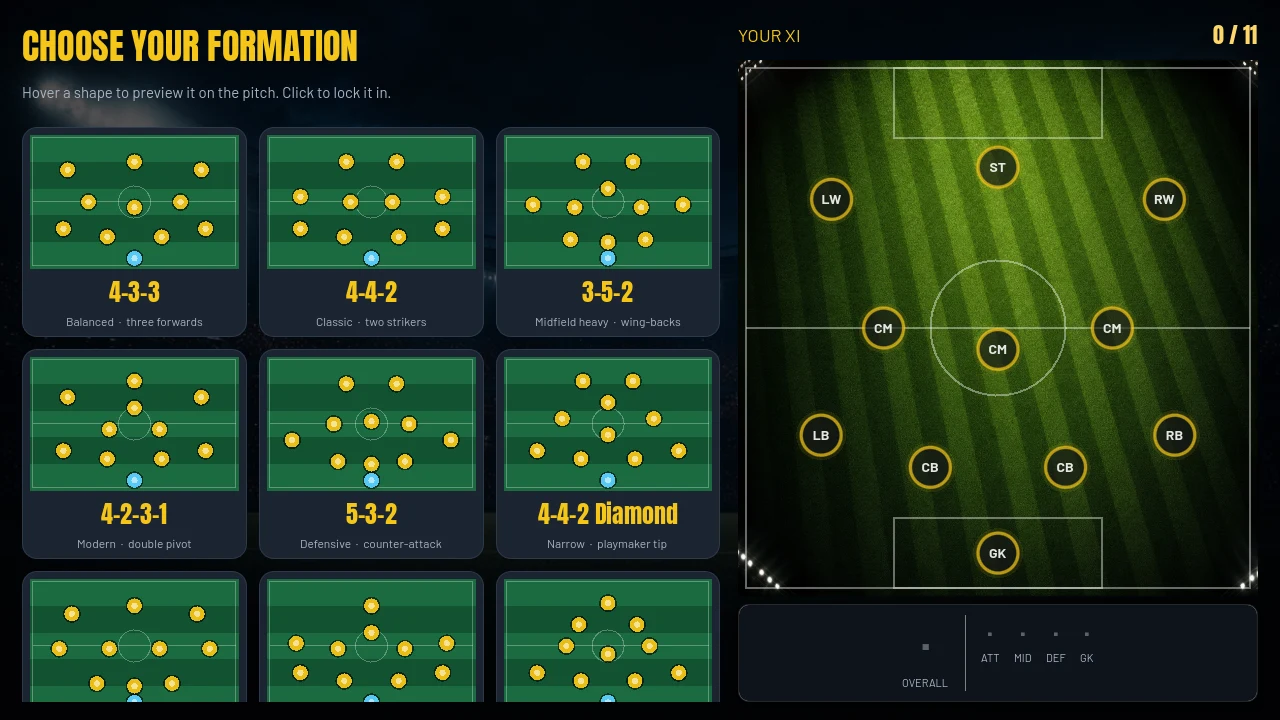
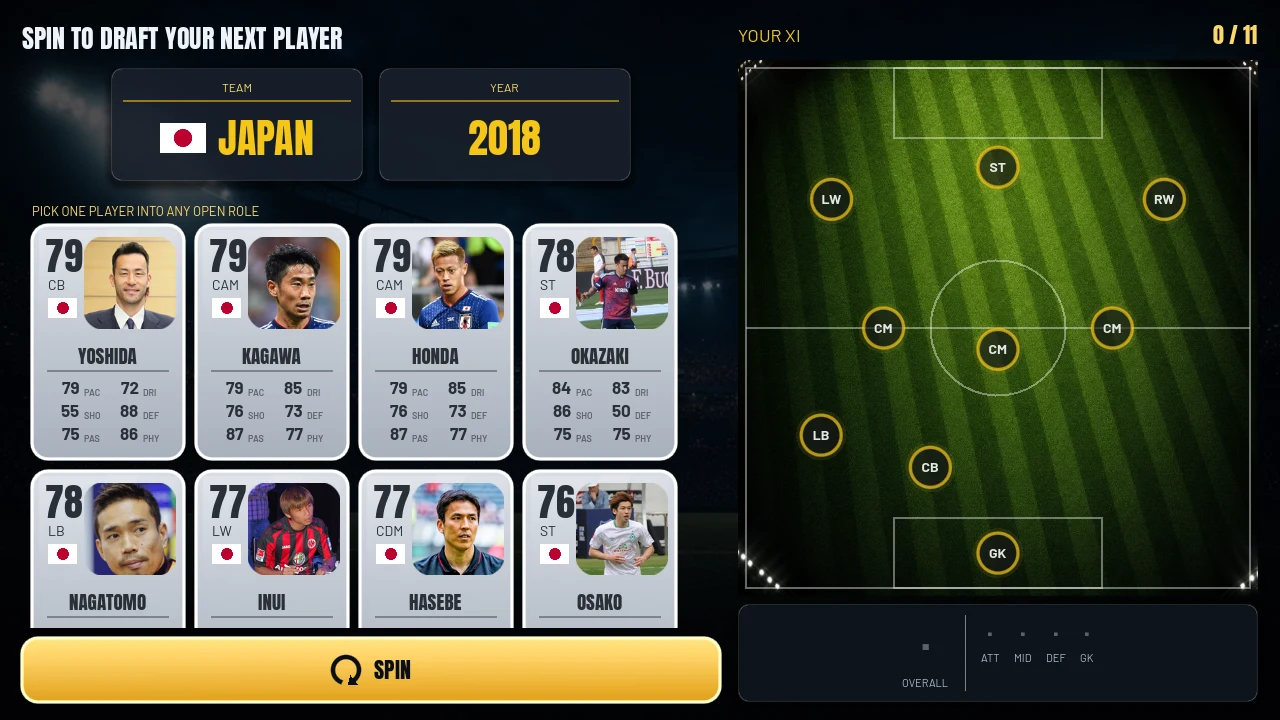
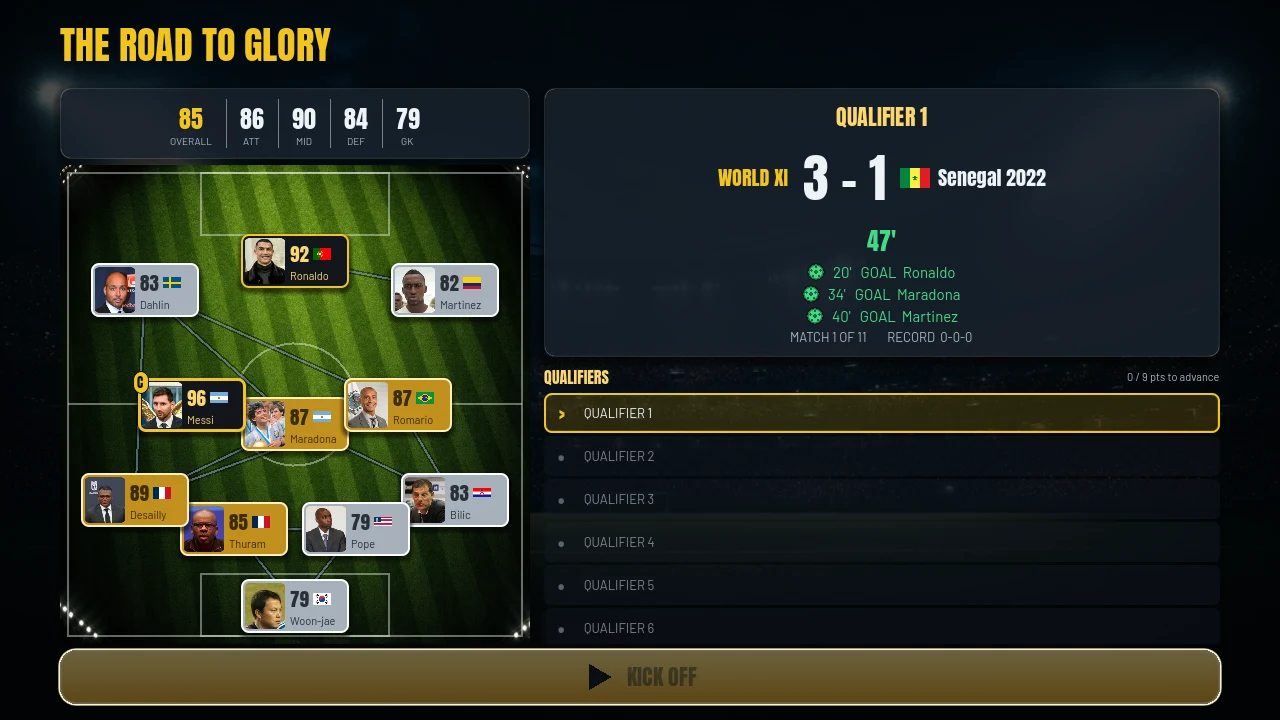
World 11 is a World Cup draft roguelike built solo in Godot 4. Spin a nation and year, draft real legends, and sim a fourteen match gauntlet.
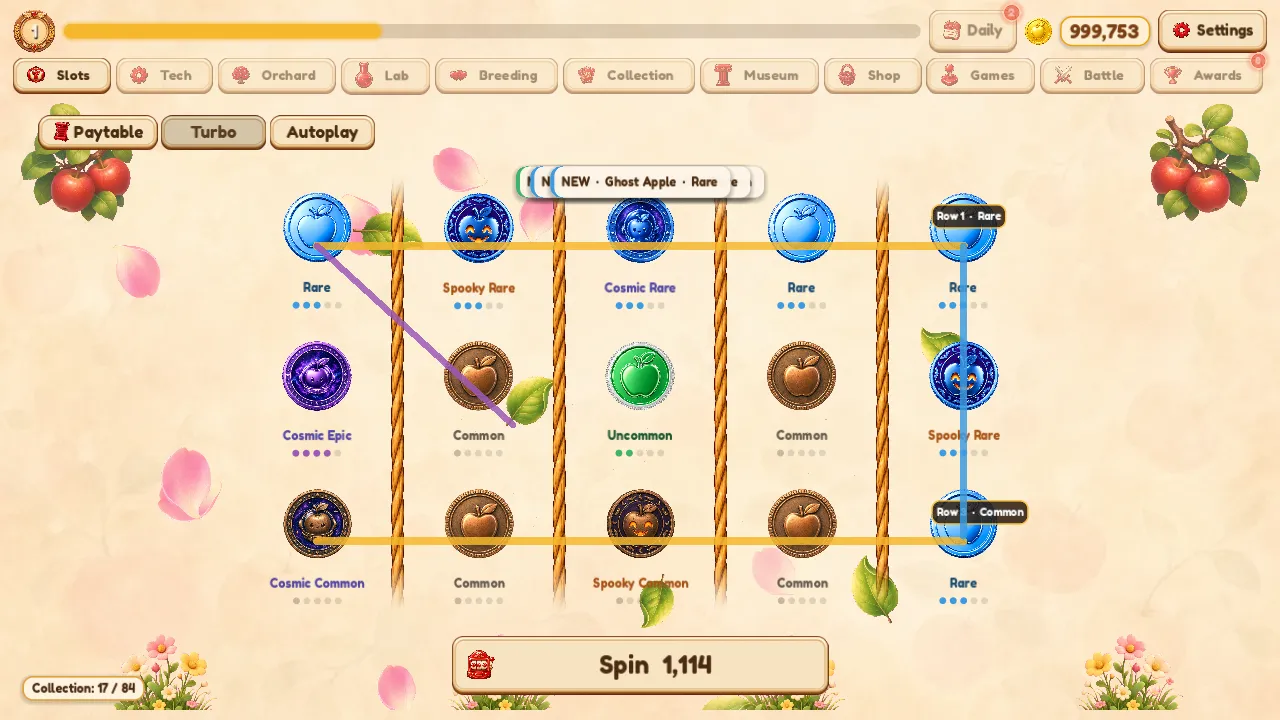
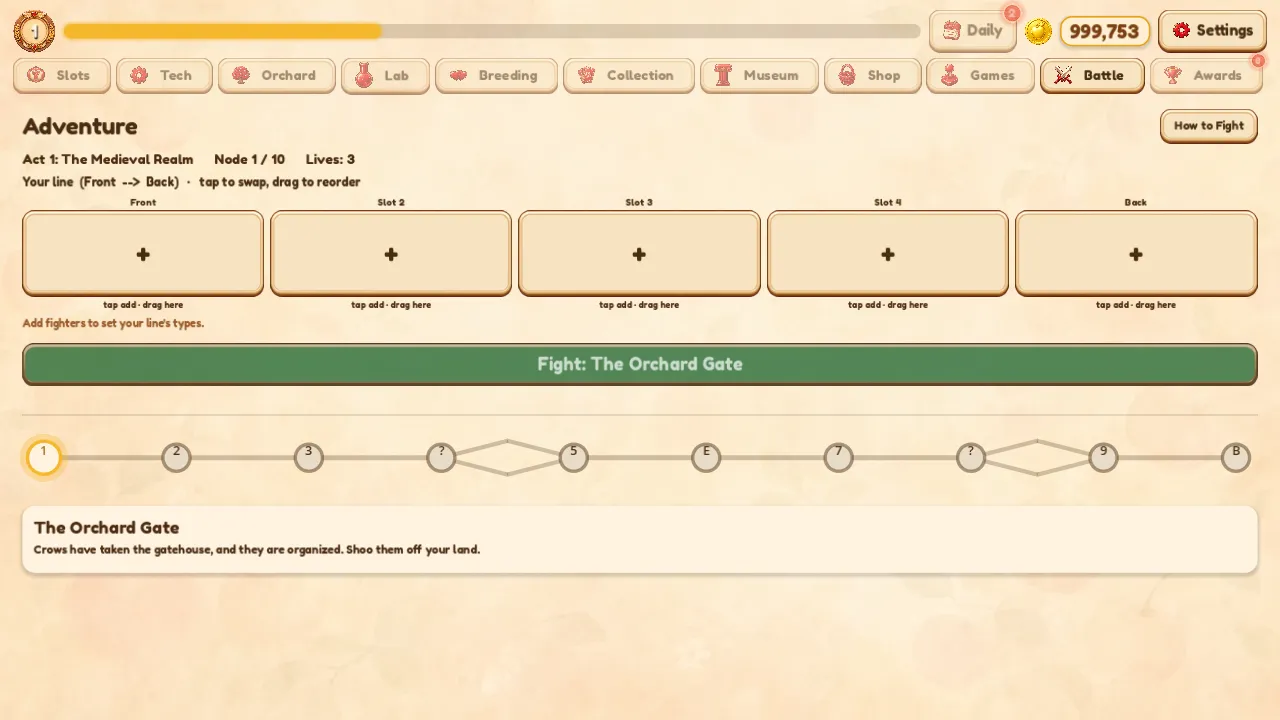
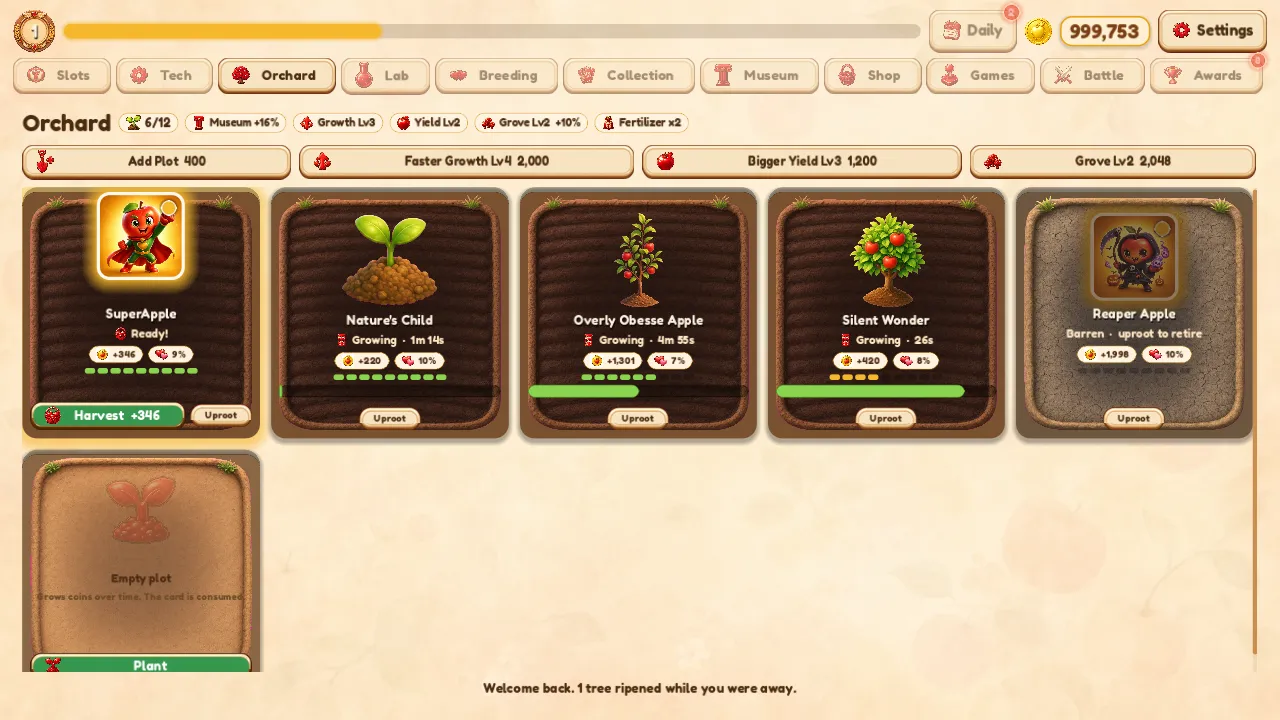
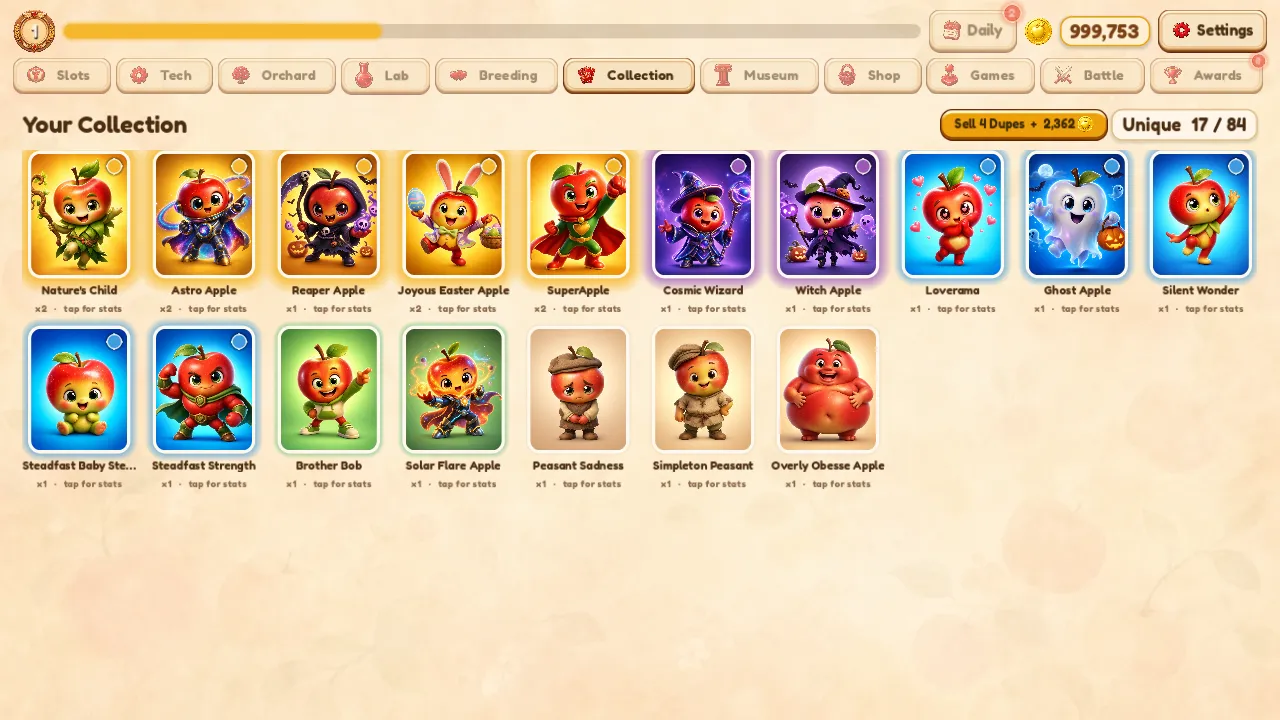
Orchard Deck is a complete cozy collectathon built solo in Godot 4 and shipped as a free browser game. Here is the stack, the systems, and why a web build changed everything.
You don't need a DevOps engineer to run production apps. Docker, a VPS, and some basic knowledge. Here's the solo developer's deployment playbook.
AI coding assistants doubled my productivity. But only because I use them as partners, not replacements. Here's my approach to Claude Code and AI-assisted development.
The exact tools I use to build, deploy, and market SaaS products as a solo developer. Django, React, Docker, Astro, and N8N for automation.
2026 is the year I turn side projects into real products. Monetize Apatero, ship mobile apps, master Go, and maybe land a backend role. Here's the plan.
My 2025 recap. New languages learned, projects shipped, servers compromised, interviews survived, and a vision for 2026. Here's everything that happened.
I'm building Rembiti, a birthday reminder app with contact notes and message templates. Also using it as an excuse to learn Go by building the backend from scratch.