How To Scope A Solo Game So You Actually Finish It
Scoping a solo game so you ship it. The feature complete vertical slice, cutting scope without guilt, the endless systems trap, and knowing when a game is done enough.

I am one person who ships software on nights and weekends, and the only two games I have finished are a cozy card collection called Orchard Deck and a World Cup draft roguelike called World 11. Both run free in the browser. I lead with that because the graveyard of solo game development is full of ambitious projects that were eighty percent done forever, and I have started things that ended up there. The two that made it out did so because I changed how I scope, not because I got more talented. Scope is the skill nobody glamorizes and the one that decides whether you finish.
This is what I have learned about scoping a solo game so it crosses the line instead of dying at ninety percent.
The Real Reason Solo Games Die
It is almost never the hard part that kills a project. It is the long tail of medium parts. You build the core loop in a burst of energy, it feels great, and then you face the second menu, the settings screen, the save migration, the eleventh card, the audio bus, the loading bar. None of it is exciting and all of it is required, and that stretch is where motivation goes to die.
Bad scope makes that stretch infinite. Every new system you add at the top expands the tail at the bottom, because each system needs its own tutorial, its own edge cases, its own tests, its own art. The trap is that adding a system feels like progress while it is actually pushing the finish line further away. The discipline is to count the tail, not the feature.
Decide What Done Means Before You Start
Before I write a line, I write down the smallest version of the game that would be genuinely worth playing. Not the dream version, the worth playing version. For World 11 that sentence was, spin a nation and year, draft eleven real players, and watch a full tournament play out with a result you care about. That is it. Everything else, the deep meta progression, the unlockable modifiers, the long roguelike layer, sat in a clearly labeled later pile.
Writing that sentence is the single most useful thing I do. It becomes the ruler I hold every idea against. When a new feature shows up mid build, and one always does, I ask whether the worth playing sentence needs it. If it does not, it goes in the later pile without an argument. The sentence protects the finish line from me.
Build A Vertical Slice, Not A Horizontal One
The common mistake is building wide and shallow. You make a menu, then an inventory, then a shop, then a map, all of them half wired, none of them actually playable end to end. Now you have a pile of disconnected screens and no game, and the motivation to connect them is gone because nothing has ever felt complete.
The fix is a vertical slice. Pick the thinnest possible path through the whole game and make that one path completely real before you widen anything. Orchard Deck started as one slot spin that paid out one real card you could actually plant. Ugly, tiny, but complete from input to reward. Once that slice felt good, widening it was just repetition of a known shape. A finished thin slice is worth ten unfinished wide ones, because the slice proves the game is fun before you spend months on surface area.
Cutting Scope Is Not Failure
The hardest lesson was learning to cut without guilt. Every cut feels like admitting the game is smaller than you wanted. It is not. A cut feature is a feature that ships in a finished game instead of rotting in an unfinished one, and a finished game with fewer systems beats a perfect design nobody ever plays.
I keep an explicit cut list, a document of things I deliberately left out. Naming the cut out loud takes the sting away, because it stops being a failure and becomes a decision. Both my games have long cut lists, and I do not regret a single entry. The cuts are why the games exist. If you cannot point to things you chose not to build, you have not actually scoped, you have just deferred everything to a someday that never arrives.
Watch For The Endless Systems Trap
Cozy and roguelike games are especially dangerous here, because they reward interlocking systems, and once you have three that feed each other, a fourth always sounds like it would make it richer. Sometimes it would. Usually it just adds a tutorial, three edge cases, and another thing to test.
The check I use is simple. A new system earns its place only if it makes the systems I already have more interesting, not just if it is interesting on its own. Orchard Deck has several systems that feed each other, but I added each one only because it gave the existing pieces a new output to consume. I killed several others that were fun in isolation but did not deepen the loop. Standalone fun is a trap. Connection is the bar.
Knowing When It Is Done Enough
Done enough is a feeling you have to define for yourself, because a solo game is never truly finished, only abandoned at a good moment. My test is whether the worth playing sentence is fully real and a stranger can experience the whole loop without hitting a wall. Both games hit that bar as a feature complete vertical slice. Playable end to end, genuinely fun, clearly not infinite. That is a shippable state, not a half state.
The instinct to keep polishing past that point is the same instinct that kills projects, just wearing a respectable disguise. At some point more polish is a way of avoiding the scarier act of putting the thing in front of people. Shipping a complete slice and listening beats hoarding a perfect unreleased build every time.
Ship It And Let The Players Scope The Rest
The best scoping tool of all is real players. Once a game is out, the feedback tells you which parts of your later pile actually matter and which ones you can forget. I would rather ship a tight slice and learn from people playing it than guess at a giant feature list in the dark.
You can see what shipping a tight slice looks like. Orchard Deck and World 11 are both free in the browser, both feature complete slices, and both have a feedback button. That button is where the later pile gets re prioritized by the people who actually play, which is exactly where scope decisions belong.
Like this? You'll like what I'm building too.
Two ways to support and get more of this work.
HEARTH
A privacy-first Life OS for your desktop. Journal, tasks, and notes that stay on your machine. Coming soon, direct download from this site.
Read moreMY TOOLKITS
Receipts-first toolkits for shipping after hours, building Claude agents, publishing on Amazon, and more. The exact methods I used, not theory.
Browse on WhopRelated Articles
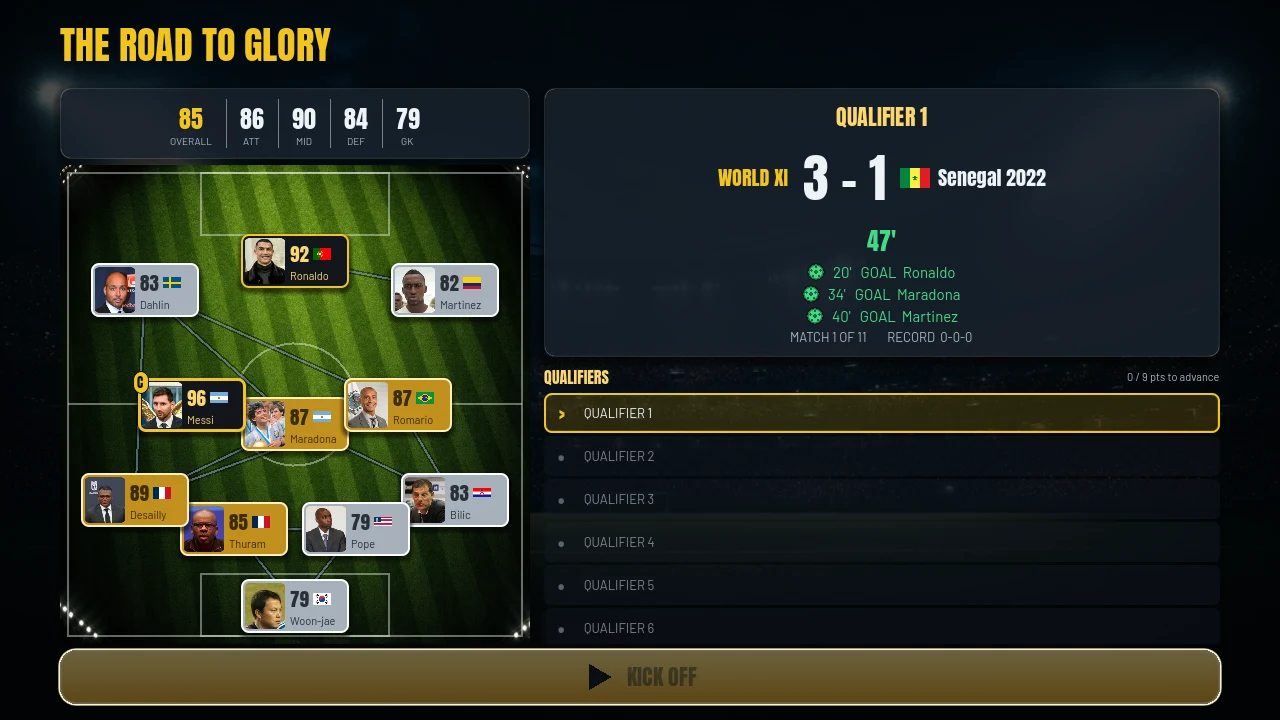
I Balanced My Roguelike With A Bot That Plays A Thousand Games
A balance bot runs hundreds of optimal teams through the full gauntlet and reports the champion rate. That dial replaced the playtest team a solo developer does not have.
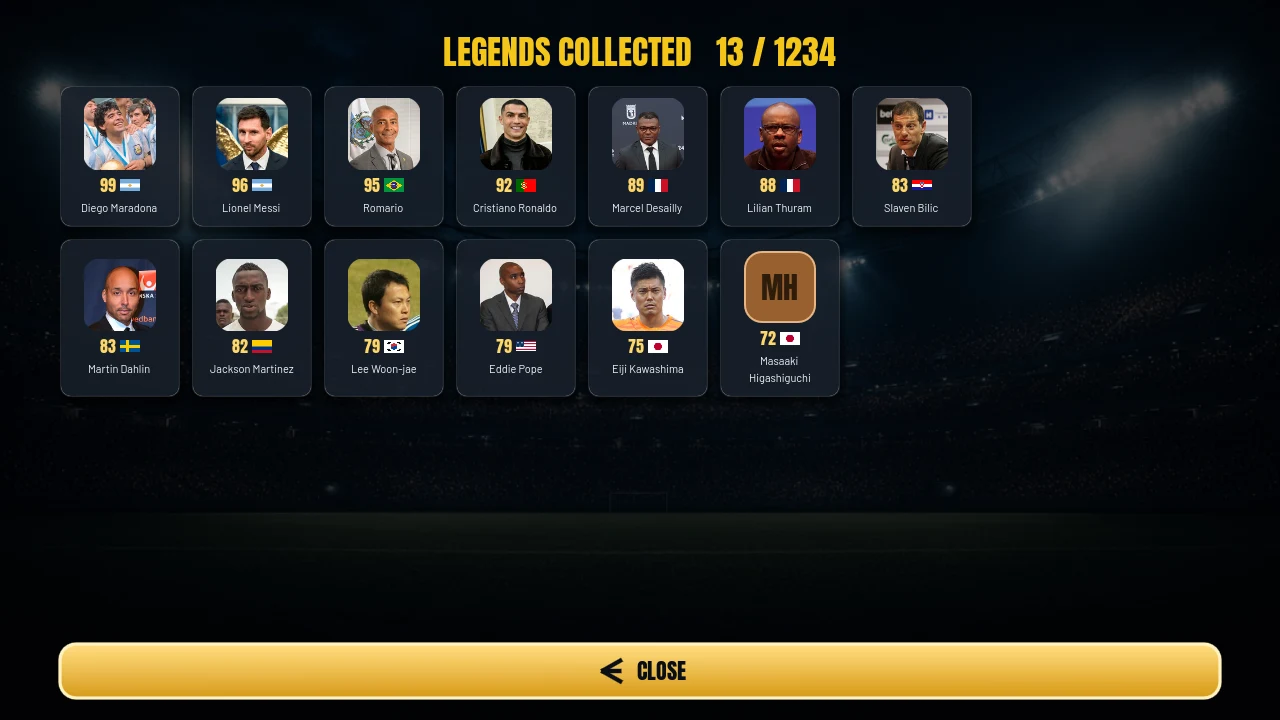
How I Built A Game About Real Players Without A Licensing Nightmare
Facts are not copyrightable. Here is the practical line a solo developer can walk to ship a game using real names, positions, and years, with freely licensed faces.

I Treat Claude Code Like a Small Dev Team
Agentic AI coding gives real leverage only when you decompose work, isolate it, anchor it with durable context, and verify the output. Here is how I direct it.