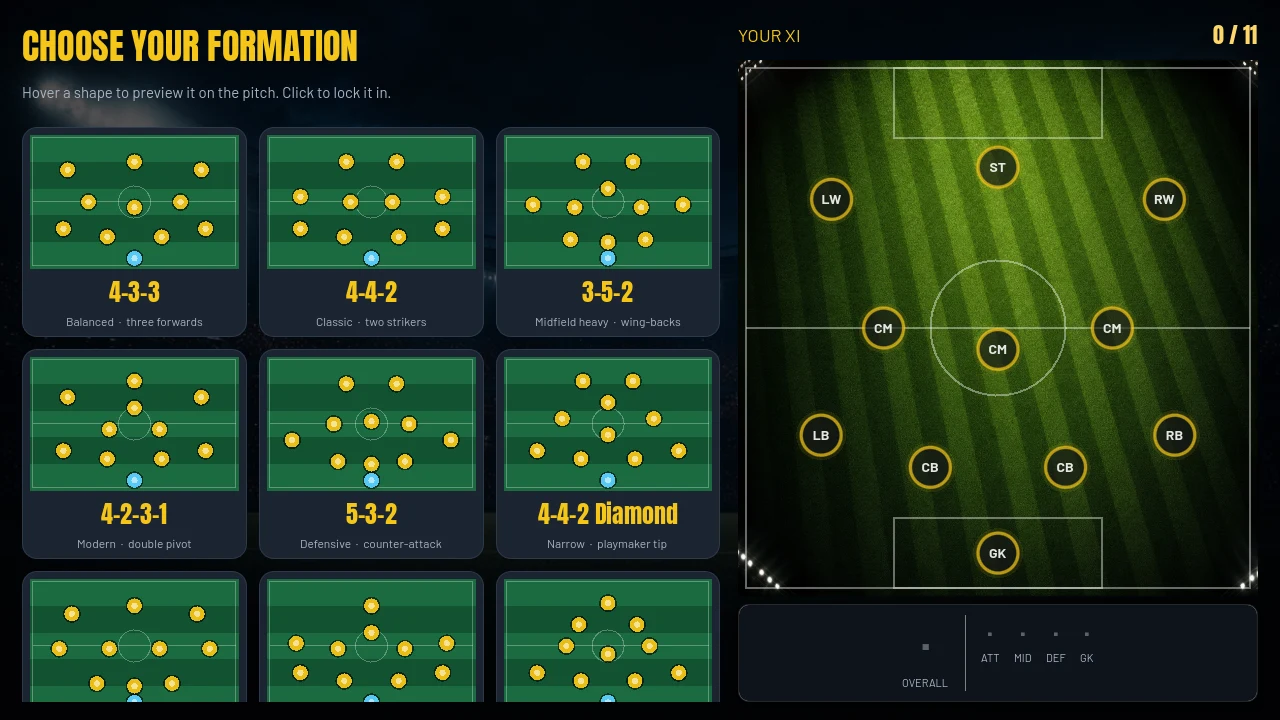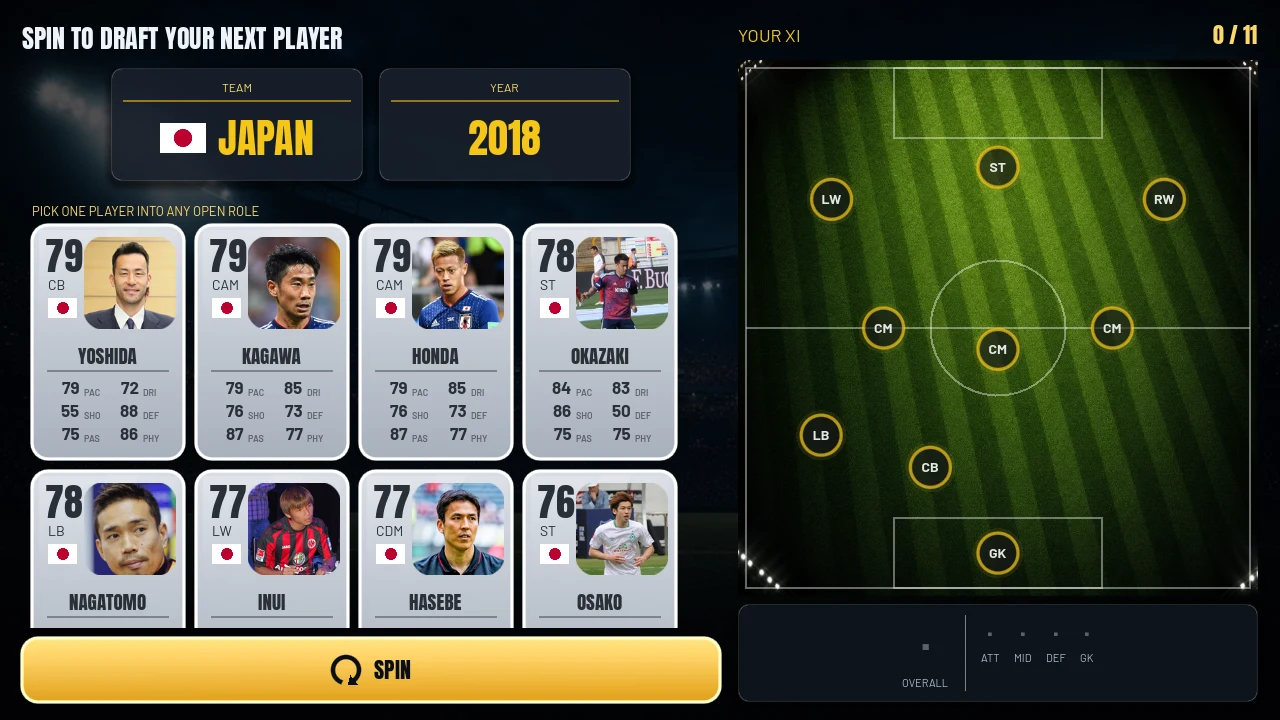
How I Built A Game About Real Players Without A Licensing Nightmare
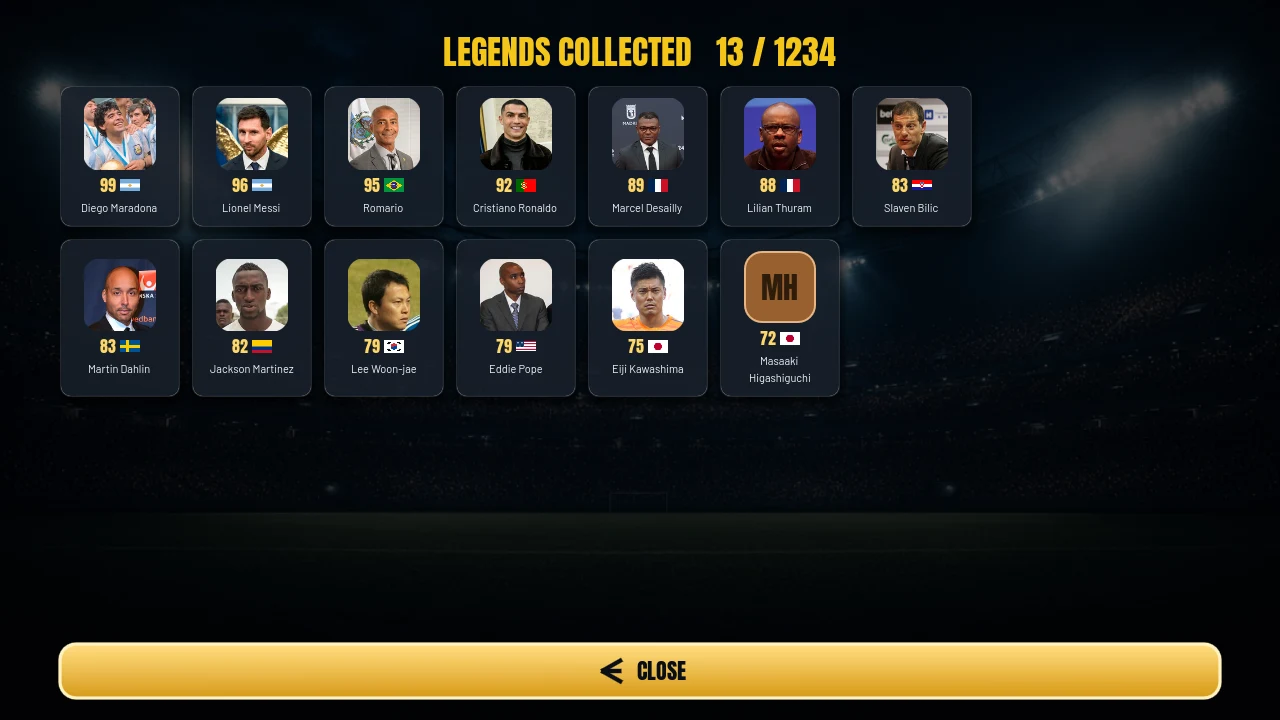
Facts are not copyrightable. Here is the practical line a solo developer can walk to ship a game using real names, positions, and years, with freely licensed faces.
A recipe-driven Playwright engine that submits one product to many directory sites by modeling the form pattern, not the site, with explicit success detection.
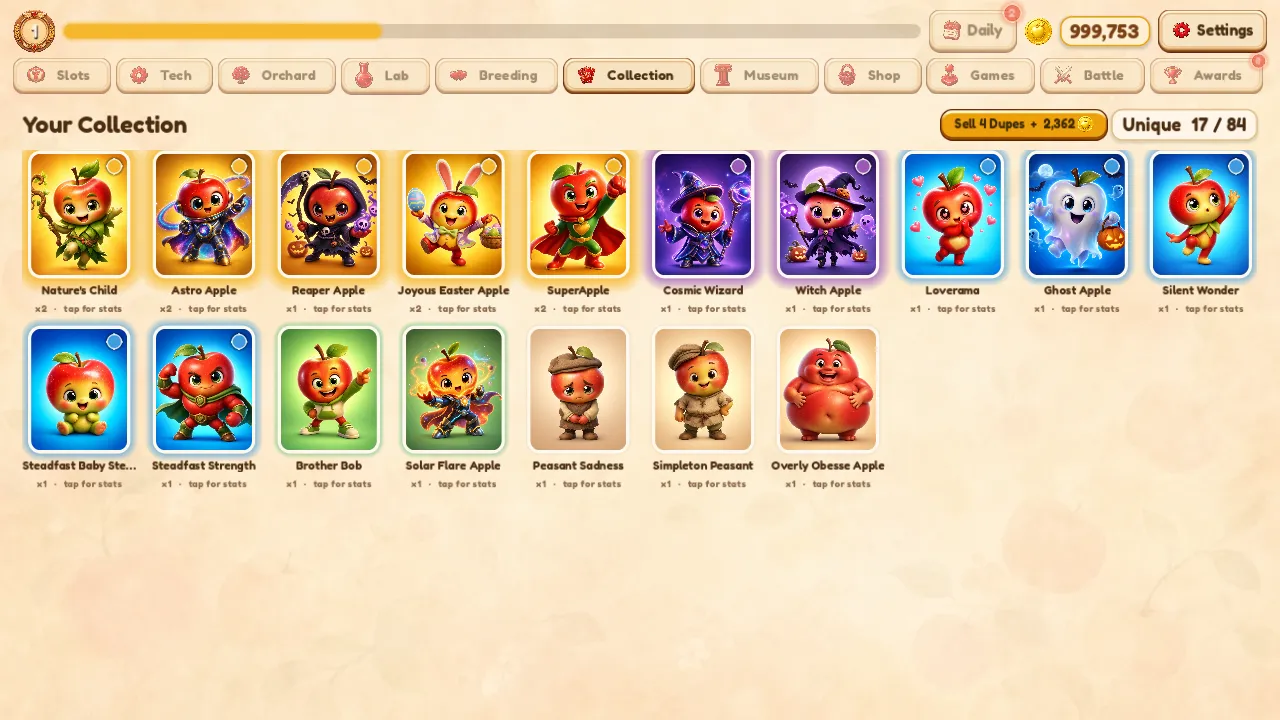
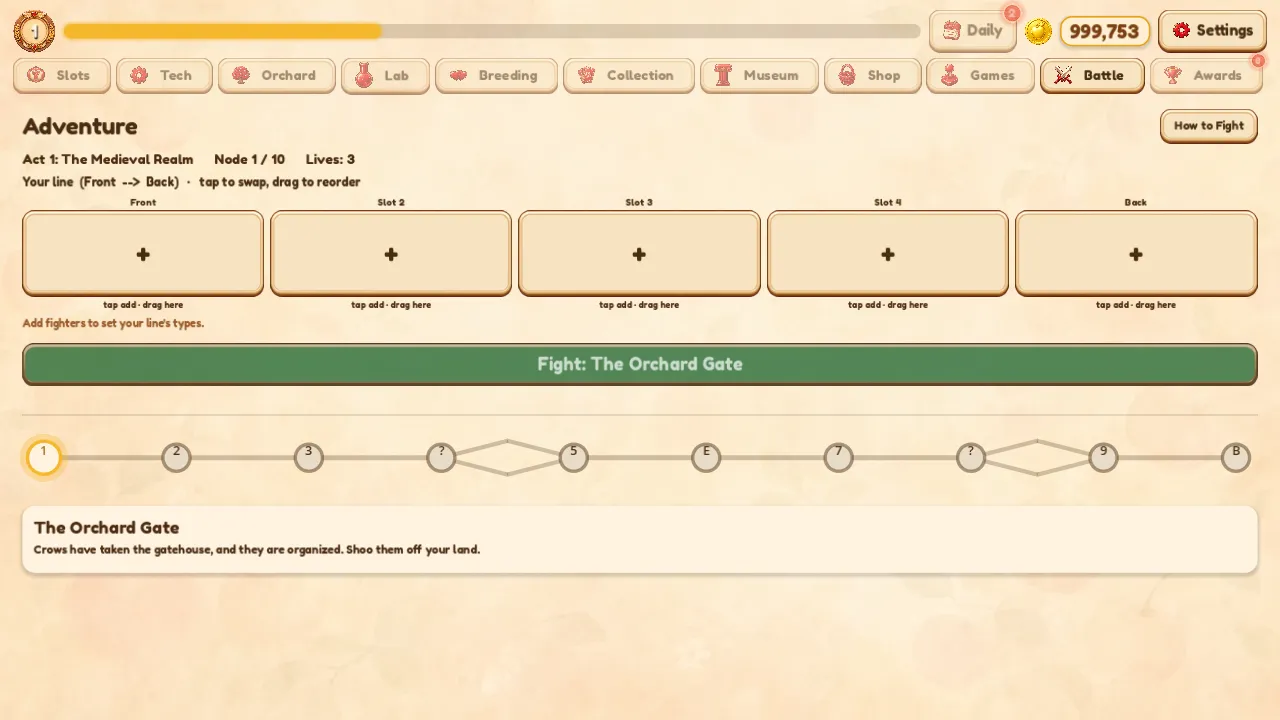
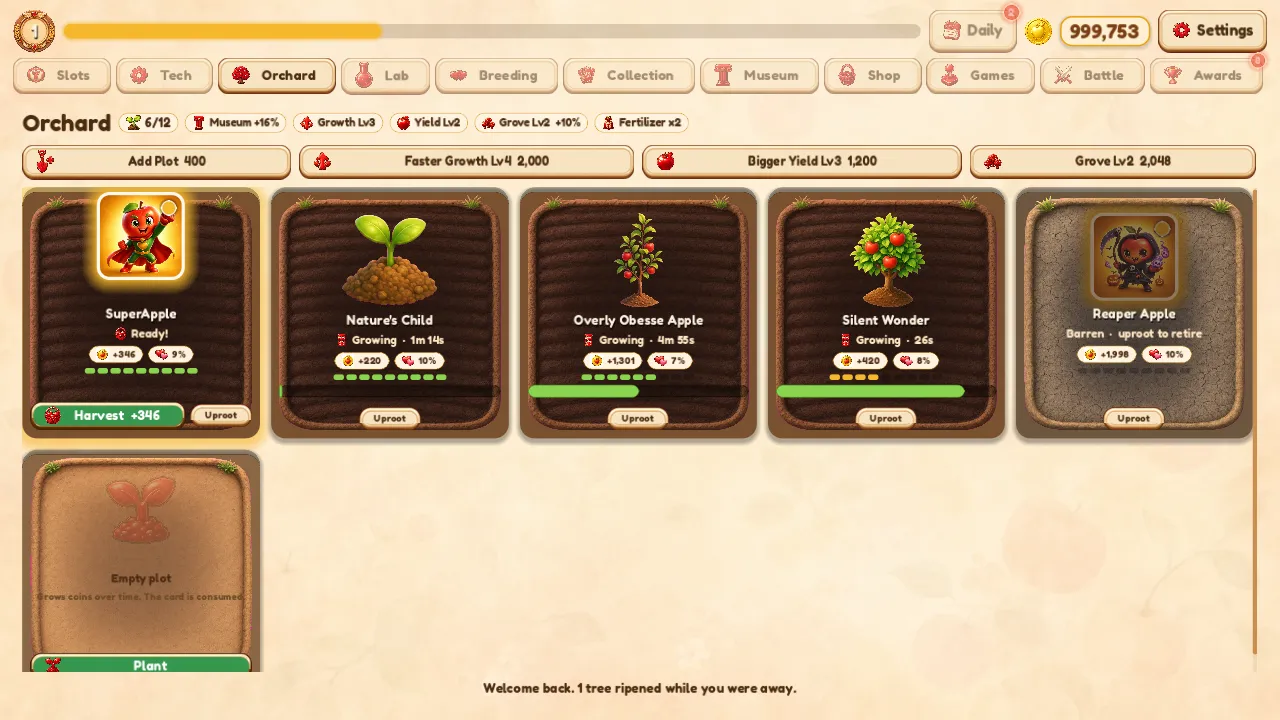
Orchard Deck has six interlocking systems where every output feeds another input. Here is how I designed slots, orchard, museum, lab, breeding, and campaign to feel deep.
How to orchestrate a large generation or audit job across parallel AI agents with adversarial verification and looping quality gates, instead of trusting one giant prompt.
A pure deterministic seeded simulation with no node dependencies turned a roguelike into something testable, with daily challenges and shareable links and no backend.
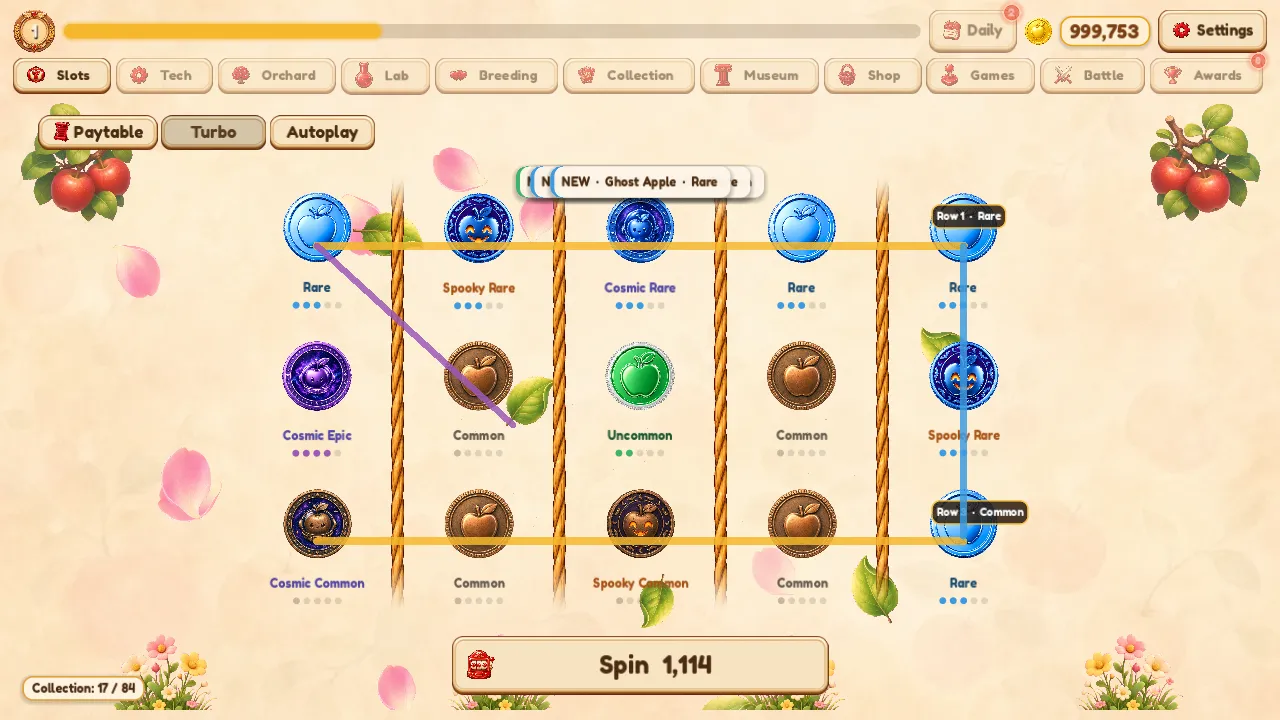
Orchard Deck is built around a slot machine, but there are no purchases and one in-game currency. Here is how I designed the odds to reward players without exploiting them.
How I added paid checkout to a SvelteKit app using Whop's embedded iframe, and why a verified server webhook, not the browser callback, grants access.
How I scoped and shipped a searchable AI and SaaS tool directory solo. Search as the core UX, original long-form content as the moat.
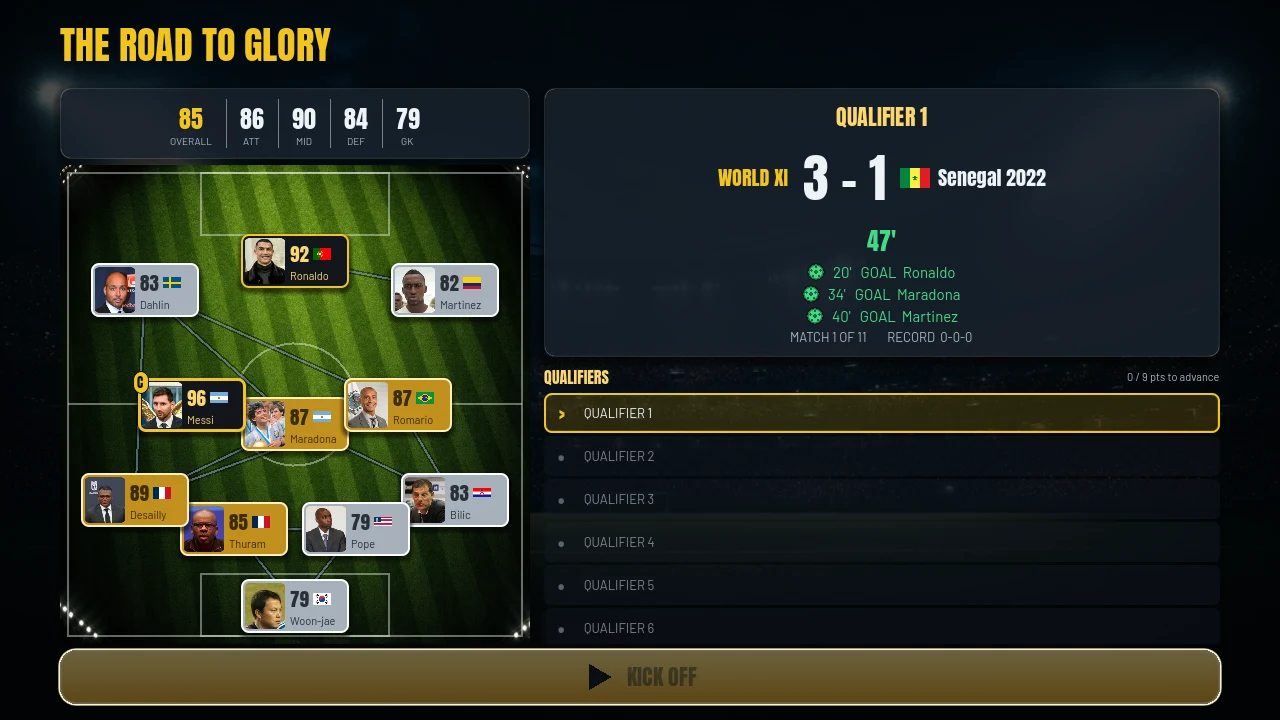
World 11 is a World Cup draft roguelike built solo in Godot 4. Spin a nation and year, draft real legends, and sim a fourteen match gauntlet.
Orchard Deck is a complete cozy collectathon built solo in Godot 4 and shipped as a free browser game. Here is the stack, the systems, and why a web build changed everything.