The Economics Of A Free Browser Game With No Monetization
Honest accounting of a game with no monetization. What it actually costs, your nights, a free engine, free hosting, and what you actually get back from shipping it.
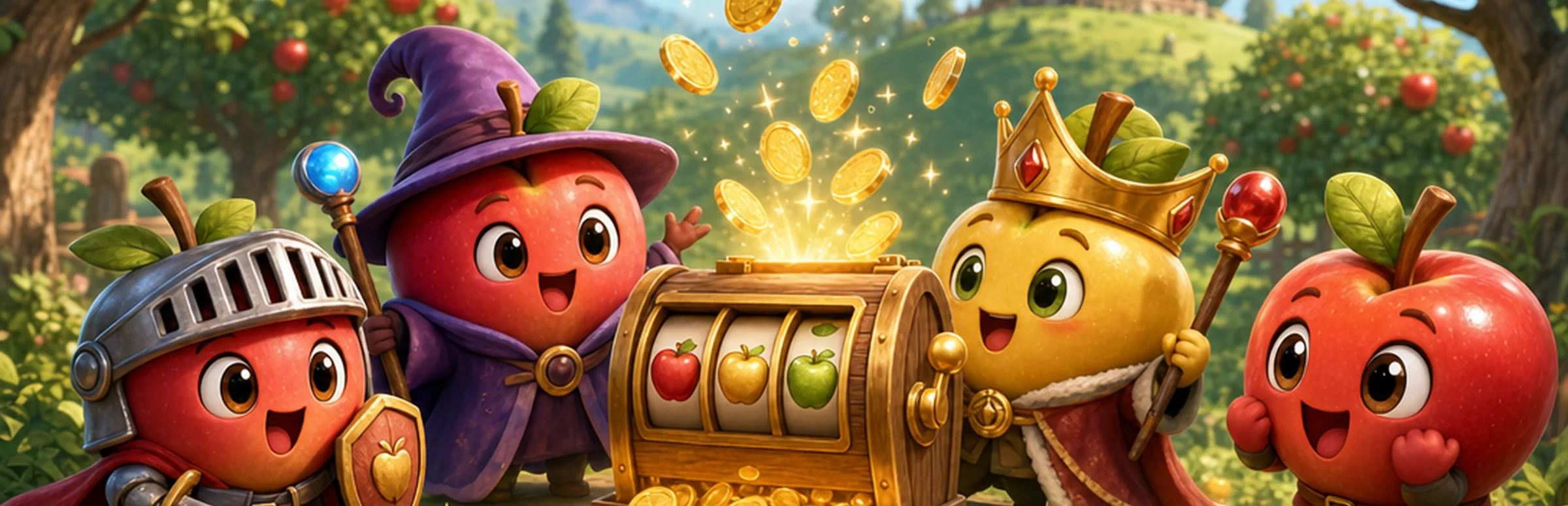
A game with no ads, no purchases, and no monetization of any kind still costs something to make, and it still pays something back. The two I shipped will stay free forever, and people keep asking why a solo developer would pour months into a thing with no revenue line. It is a fair question, so let me do the honest accounting, the real costs on one side and the real returns on the other, and explain why the trade still came out ahead for me.
What It Actually Costs To Run
Start with the surprising part. The cash cost of shipping these games rounds to nothing.
The engine is free. Godot 4 takes no license fee and no revenue share, so building in it costs zero dollars no matter how the game does. Hosting is nearly free too. A browser game is a folder of static files, the WebAssembly build, and a small page to embed it, and serving static files from cheap object storage costs cents at the traffic a solo game sees. There is no game server to keep running, no database humming in the background, no per user cost that scales with success. A spike in players does not produce a bill that ruins my week. The infrastructure is about as close to free as software gets.
So the dollars are not the cost. If they were, the math would be easy and boring. The real cost is somewhere else entirely.
The Real Cost Is Your Nights
The expensive resource is time, and it is expensive precisely because it is the one thing a solo developer cannot get more of. Every hour on a free game is an hour not spent on something that could pay, not spent resting, not spent on the rest of a life. That is the true price, and pretending otherwise is how people end up bitter about projects that owed them nothing.
I try to be clear eyed about it. These games took a lot of evenings. Not just the fun parts, the loop and the art, but the long tail every finished game demands, the save system, the settings, the export gotchas, the testing, the loading experience. None of that is glamorous and all of it ate hours. If I valued those hours at what my time is worth, the games cost real money, just paid in nights instead of cash. Anyone telling you a free game is free is only counting the invoice they did not receive.
What You Actually Get Back
So what does that time buy, if not revenue? Three things, and I rank them in the order they have mattered to me.
First, skill. I am a meaningfully better engineer for having shipped two complete games than I would be for having read about it. Scoping, a deterministic simulation, a tuned economy, a browser export pipeline, art direction held together by one person. None of that came from a tutorial. It came from finishing, and finishing is the part you can only learn by doing. That skill transfers to everything else I build, so the hours were not spent, they were invested in a version of me that ships faster next time.
Second, an audience and a name that travels. A free game asks nothing and gives a stranger a few minutes of fun, and a small fraction of those strangers remember who made it. Over time that builds something I could not buy, a quiet trickle of people who have a positive association with my work, met at its best, with no sales pitch attached. For a solo developer with no marketing budget, that goodwill is a real asset even though it never shows up as a number in an account.
Third, and least measurable but most real, the games exist. There is a finished thing in the world with my name on it that people enjoy. That sounds soft next to revenue, but it is the entire reason I started building for fun again. A thing that exists and works and gives people a good time is its own return, and I have stopped apologizing for counting it.
Why The Trade Still Works
Add it up honestly. The cash cost is near zero because the engine and hosting are free. The time cost is real and large. The return is skill that compounds, an audience that grows without spend, and a finished thing that lasts. For me that ledger comes out positive, but I want to be precise about why, because it is not positive for everyone.
It works because I treat these as paid in a currency other than money. I am not waiting for a free game to turn into revenue, which means I am never disappointed when it does not, and I am free to make the game better rather than more extractable. The moment you bolt monetization onto a small free game, you change what it is, you add friction, you add an ask, you make decisions for the wallet instead of the player. I would rather keep the thing clean and let it pay me in skill and goodwill, which are slower but do not corrupt the work.
The Version Where It Does Not Work
In fairness, this trade is wrong for some people, and I will not pretend otherwise. If you need income from your evenings, a free game is a bad use of them, and you should build something that sells. If you measure success only in revenue, a free game will always read as a failure no matter how good it is, and that mismatch will make you miserable. The trade only works if you genuinely value the non cash returns, and you have to be honest with yourself about whether you do before you spend the nights.
For me the answer is yes. The cost is real, the cash return is zero, and I would build both games again without hesitating. You can play the result of that trade for free, no install, no ask. Orchard Deck and World 11 are both in the browser, and both have a feedback button, which is one of the non cash returns showing up in real time, players telling me how to make a thing better that was never trying to take their money in the first place.
Like this? You'll like what I'm building too.
Two ways to support and get more of this work.
HEARTH
A privacy-first Life OS for your desktop. Journal, tasks, and notes that stay on your machine. Coming soon, direct download from this site.
Read moreMY TOOLKITS
Receipts-first toolkits for shipping after hours, building Claude agents, publishing on Amazon, and more. The exact methods I used, not theory.
Browse on WhopRelated Articles
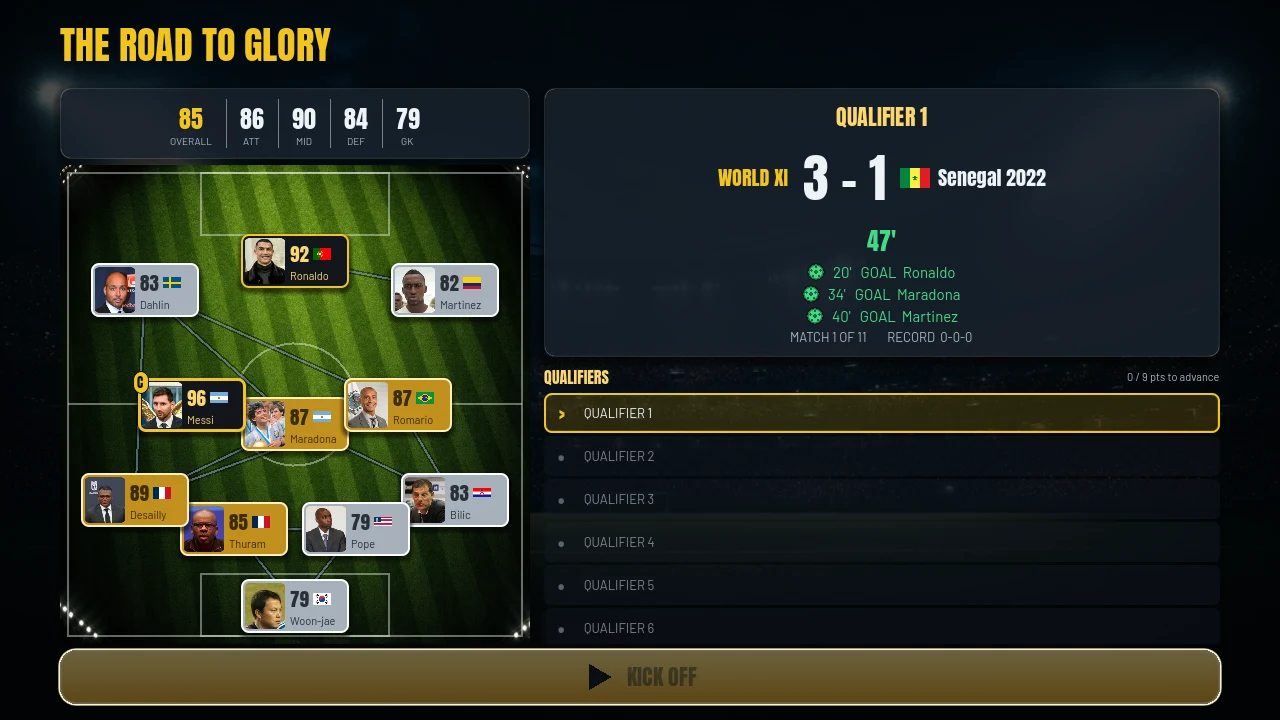
I Balanced My Roguelike With A Bot That Plays A Thousand Games
A balance bot runs hundreds of optimal teams through the full gauntlet and reports the champion rate. That dial replaced the playtest team a solo developer does not have.
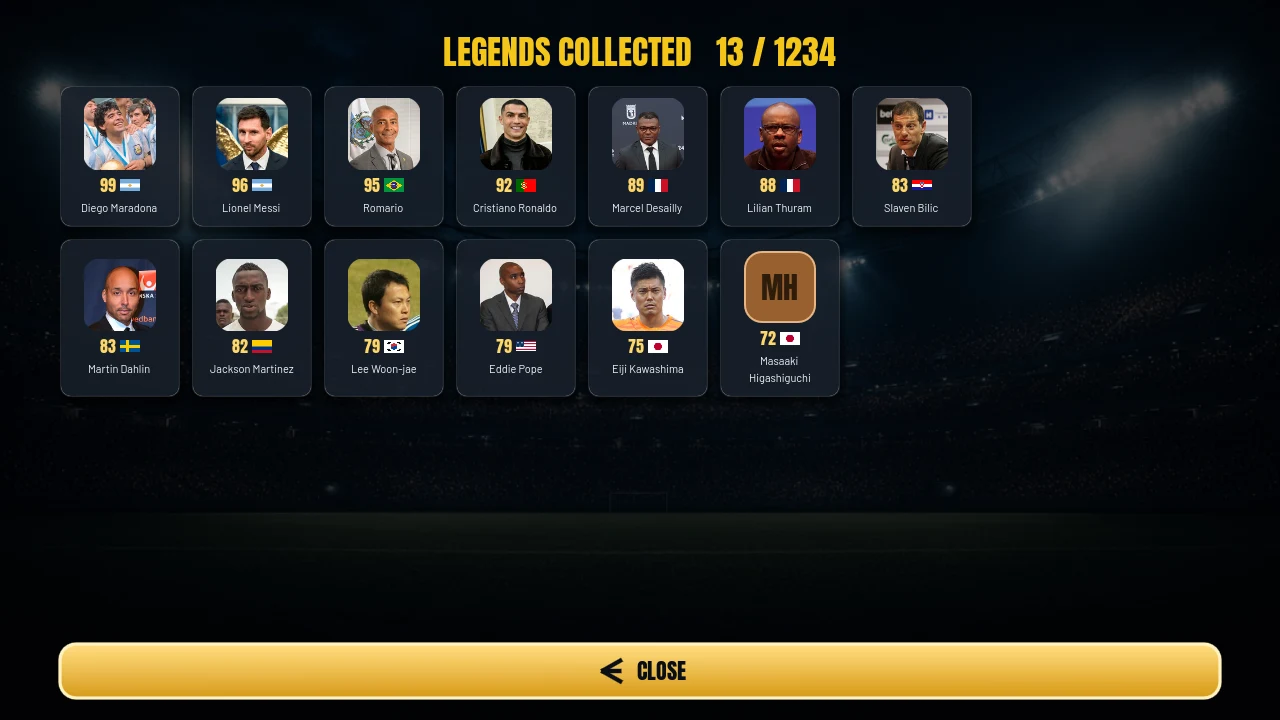
How I Built A Game About Real Players Without A Licensing Nightmare
Facts are not copyrightable. Here is the practical line a solo developer can walk to ship a game using real names, positions, and years, with freely licensed faces.

I Treat Claude Code Like a Small Dev Team
Agentic AI coding gives real leverage only when you decompose work, isolate it, anchor it with durable context, and verify the output. Here is how I direct it.