Designing The Chemistry System That Turns A Draft Into A Decision
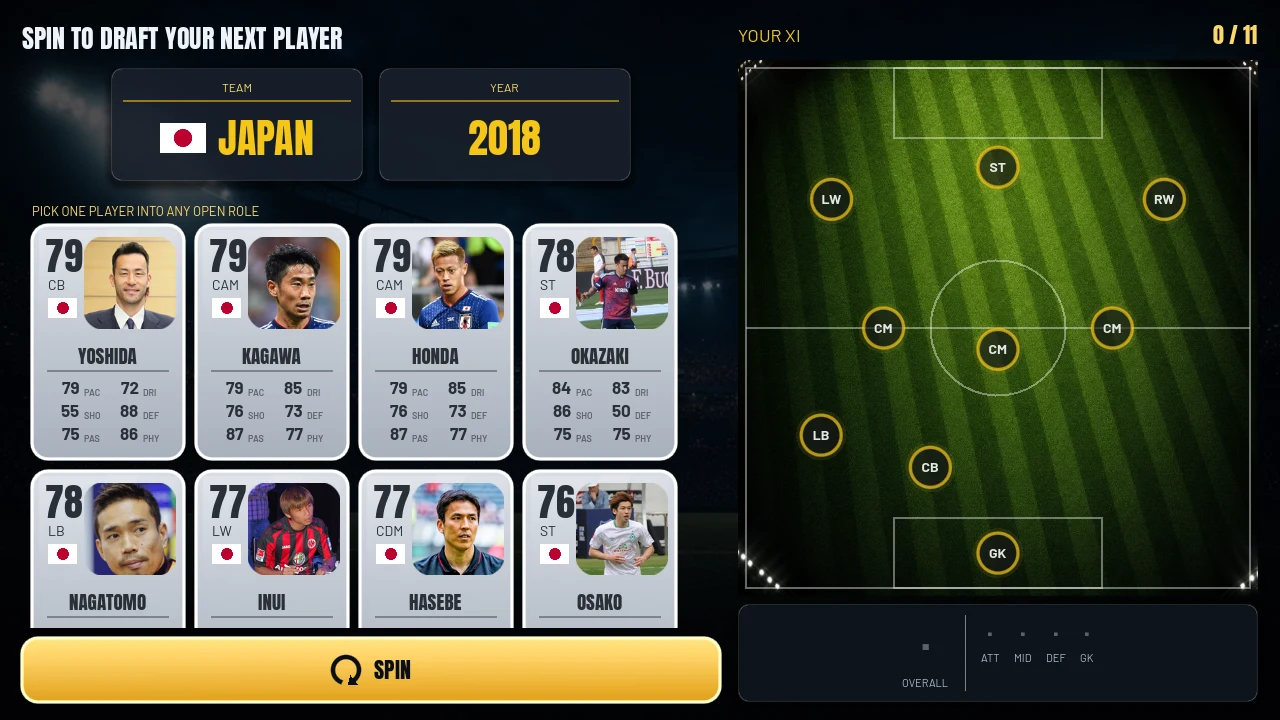
Same-nation and same-decade bonuses make World 11 a real draft. Here is how chemistry sets up the tug of war between the obvious star and the player who fits.
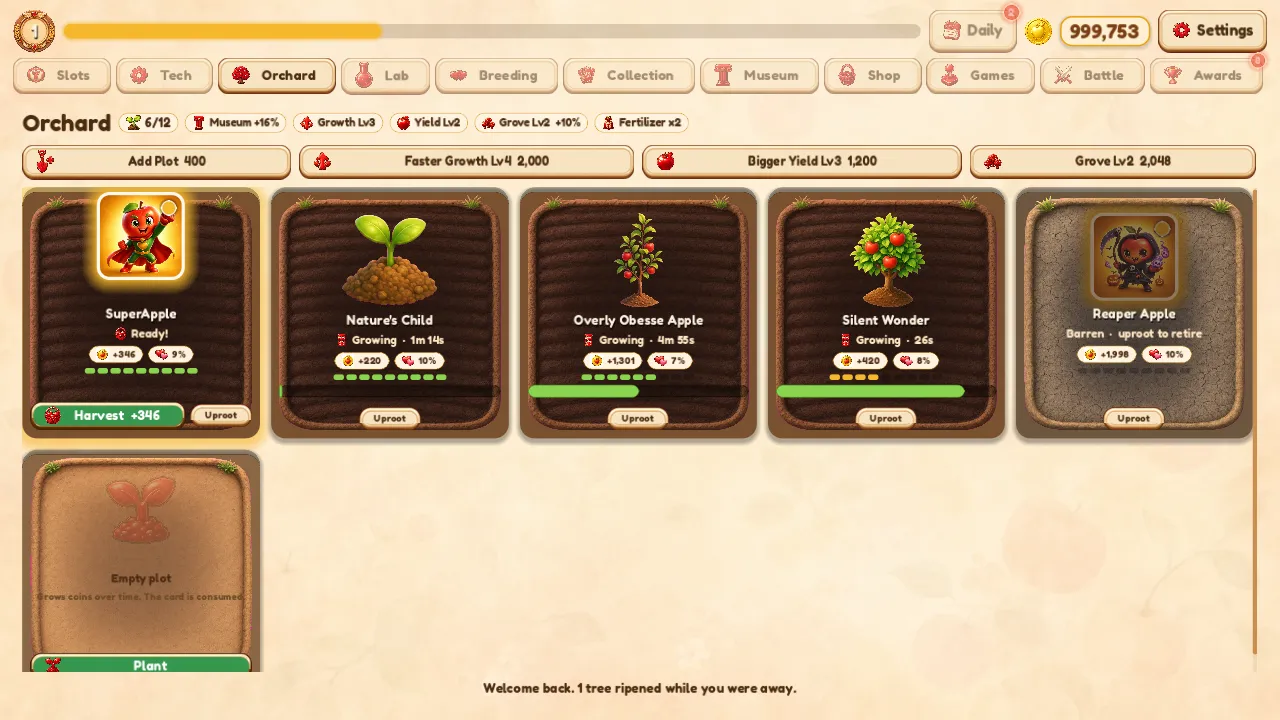
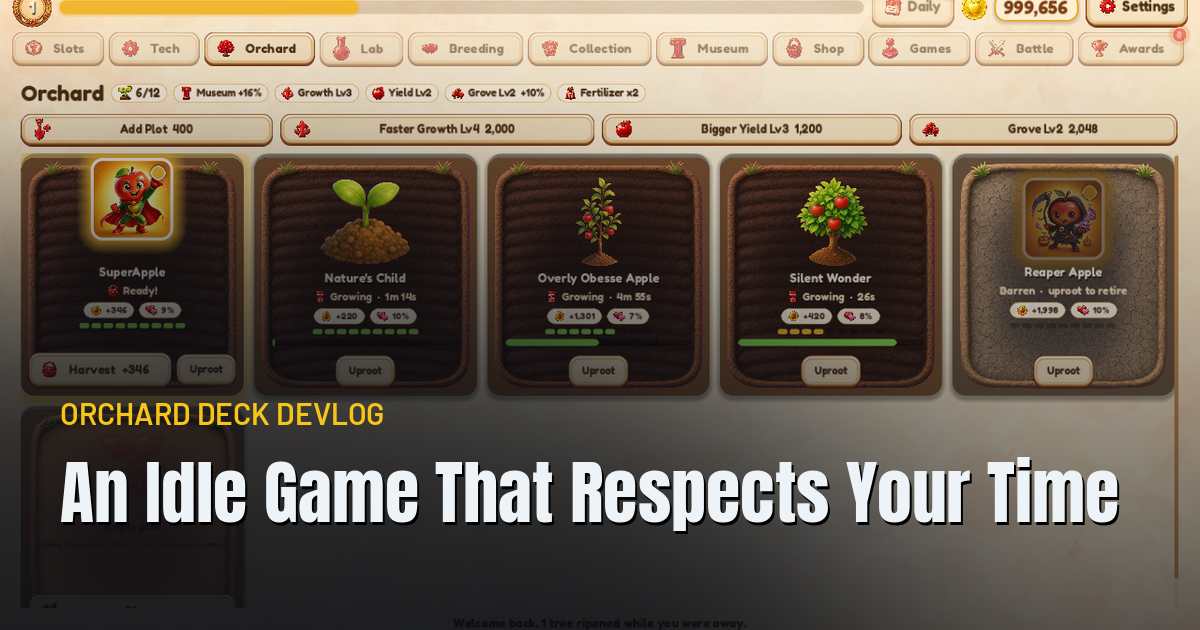
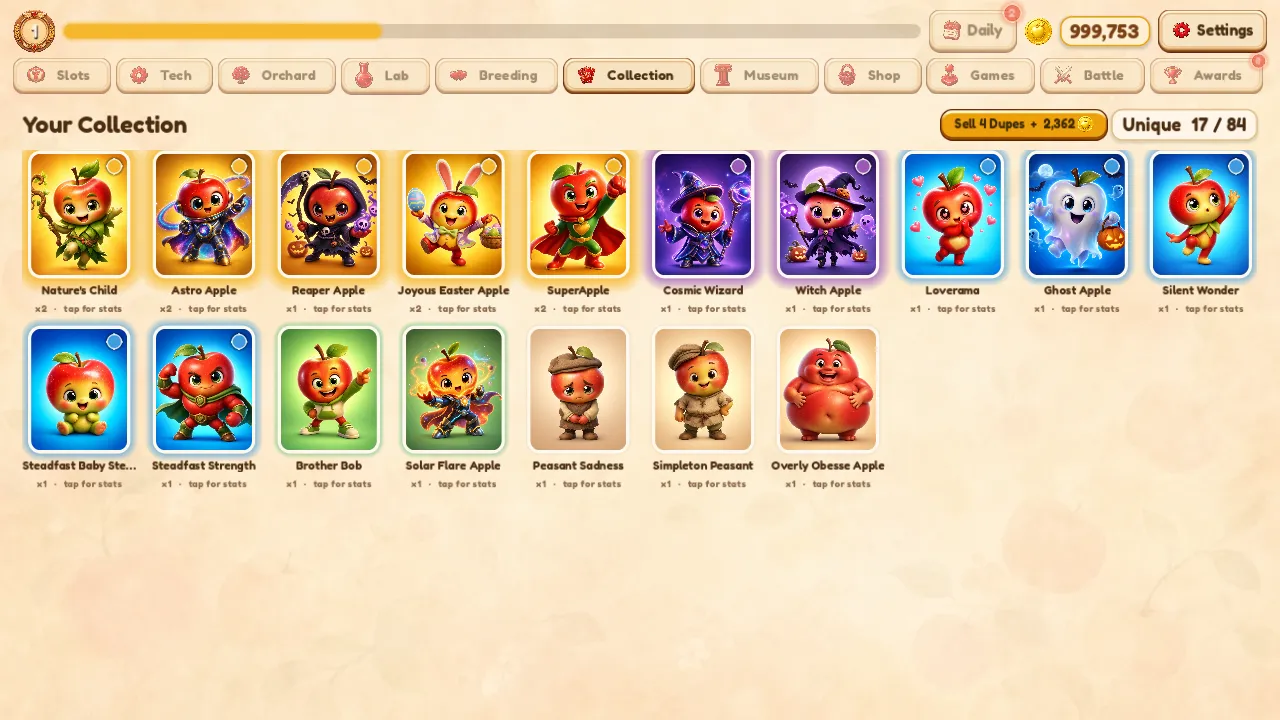
Orchard Deck is a cozy collectathon with no purchases and no dark patterns. Here is how I paced an idle game with overlapping clocks so there is always one small thing worth doing, without ever nagging the player.
Ten arcade minigames inside Orchard Deck without turning it into a grind. Entry fees, payouts, once-per-day rewards, and level gating that keeps them optional.
How I built breeding in Orchard Deck, where fusing two cards consumes both parents for a rarer child, and why the destructive cost is the point.
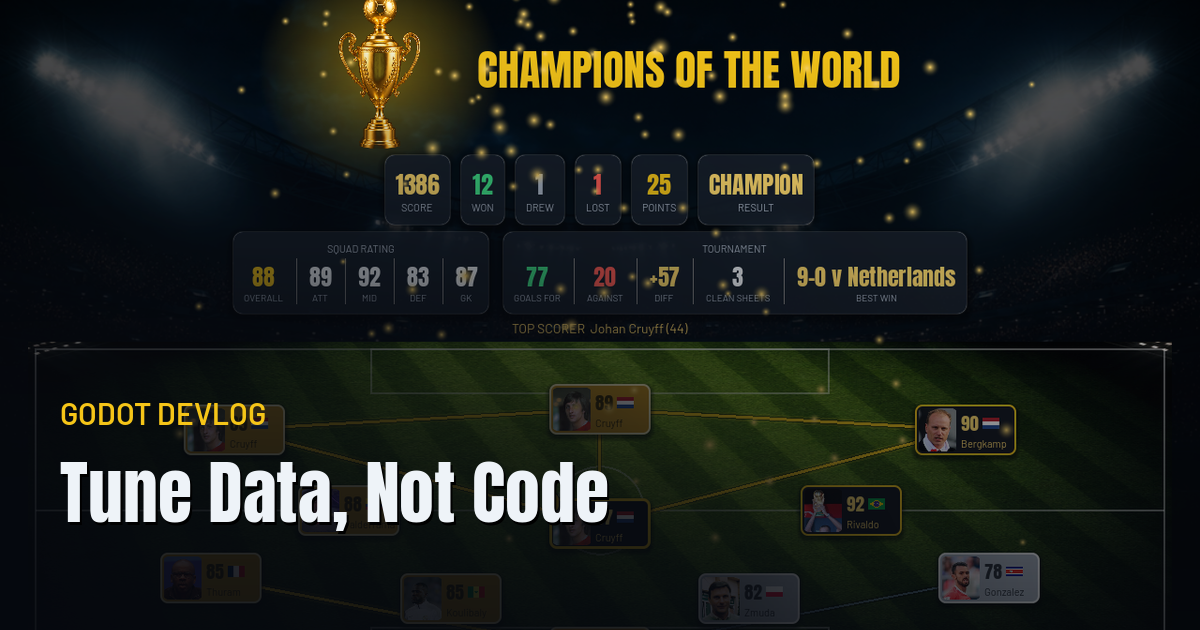
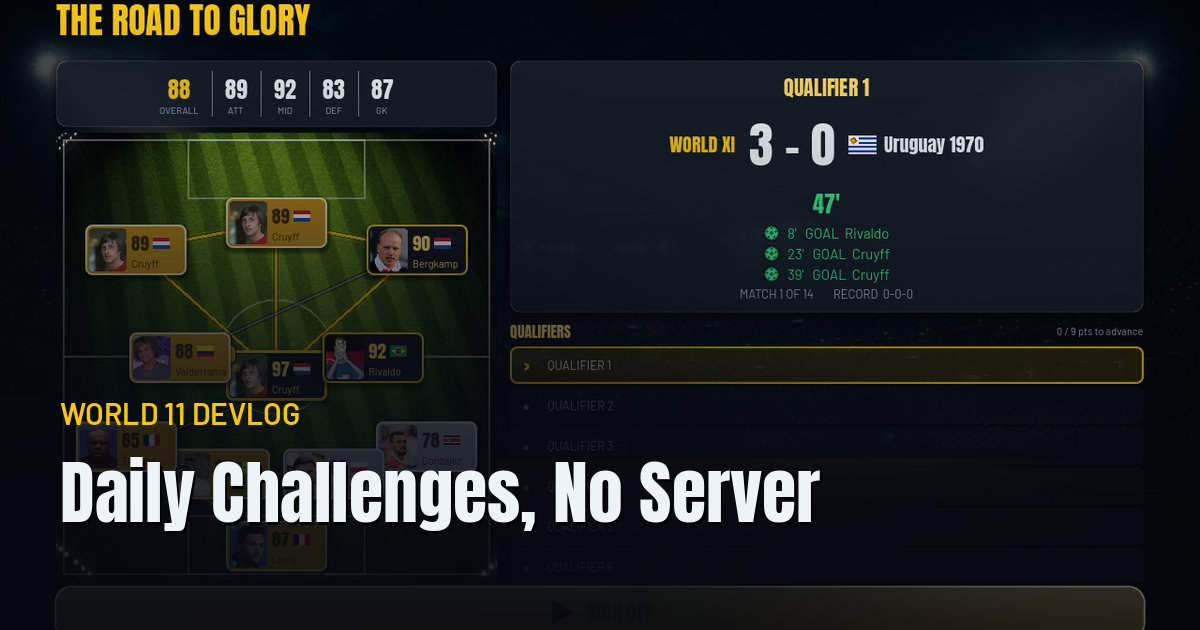
A deterministic, seeded simulation gave my draft game a daily challenge and shareable challenge links for free, with no backend at all. Here is how a single integer unlocks both.
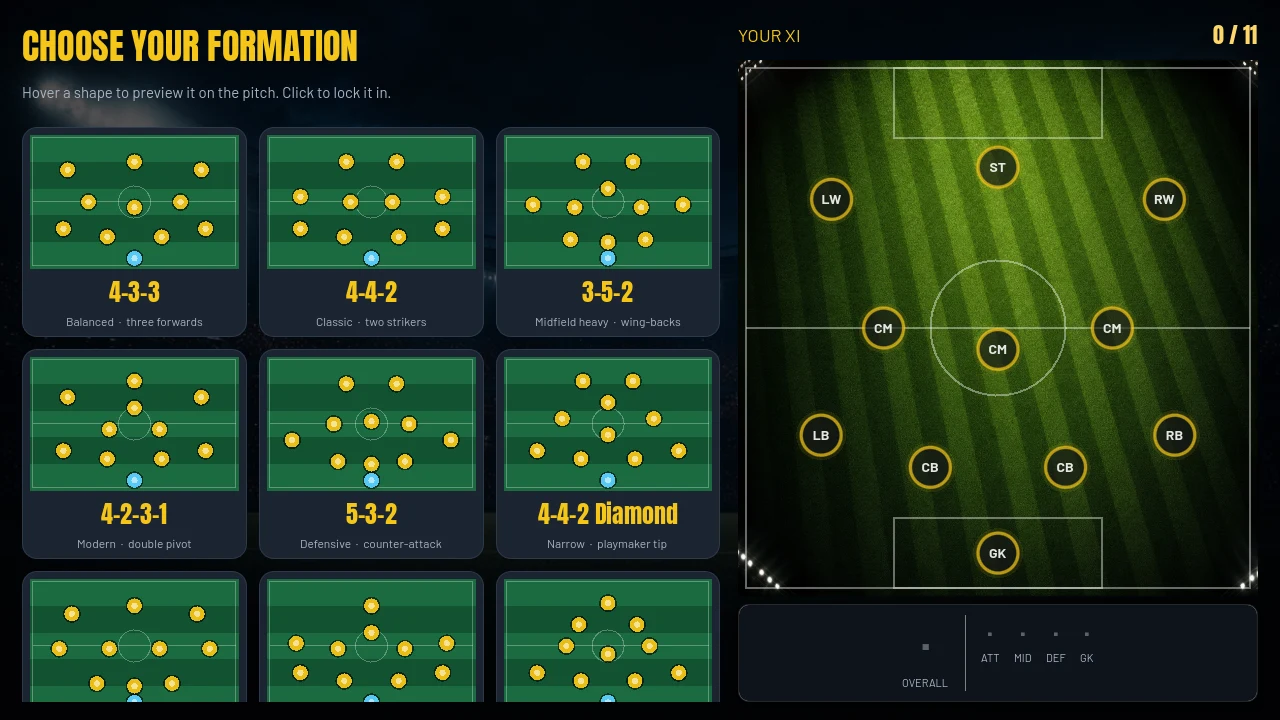
World 11 is a football game with no passing, shooting, or defending. You draft a team and watch the result. Here is why a game about betting instead of playing is so addictive, and how the draft loop works.
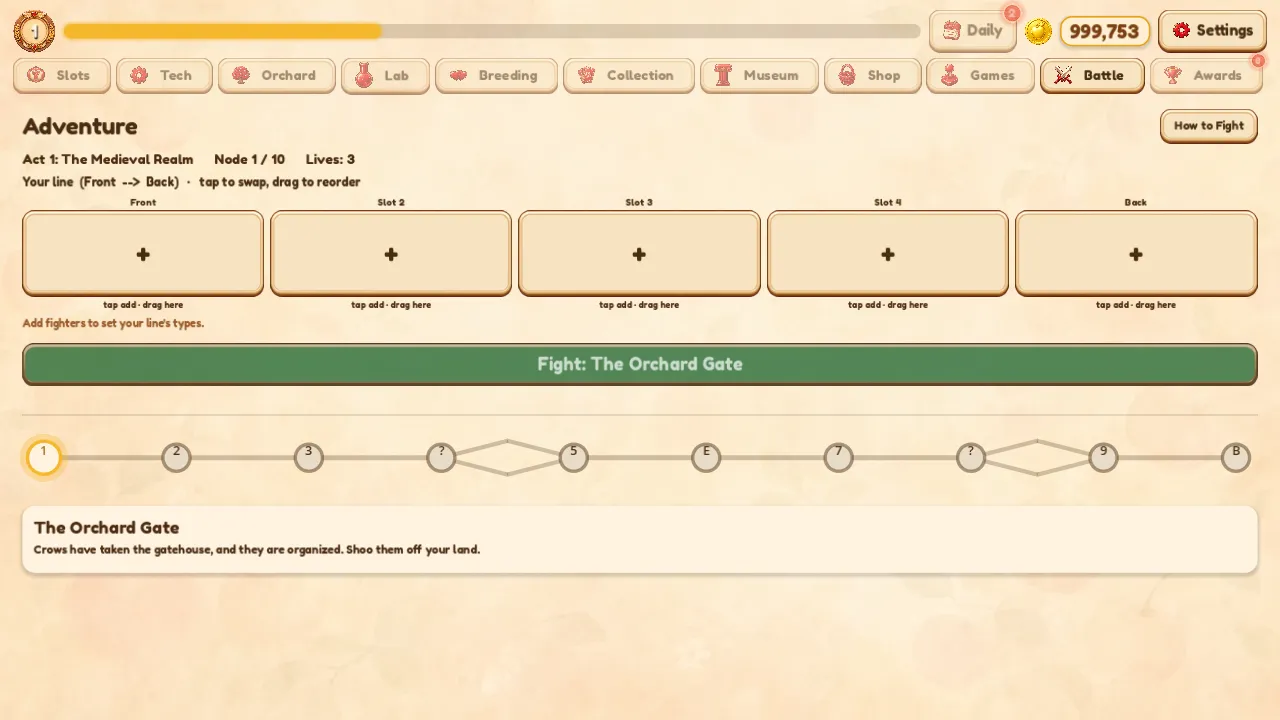
Orchard Deck has six interlocking systems where every output feeds another input. Here is how I designed slots, orchard, museum, lab, breeding, and campaign to feel deep.
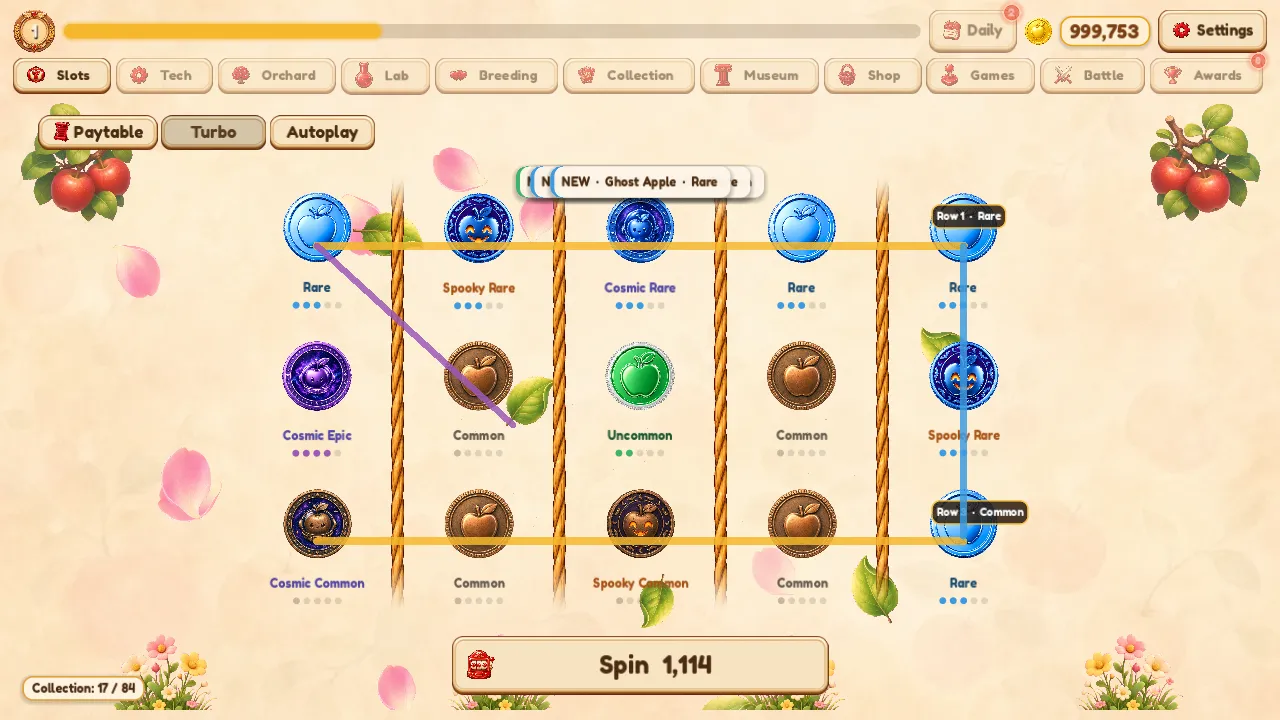
Orchard Deck is built around a slot machine, but there are no purchases and one in-game currency. Here is how I designed the odds to reward players without exploiting them.